
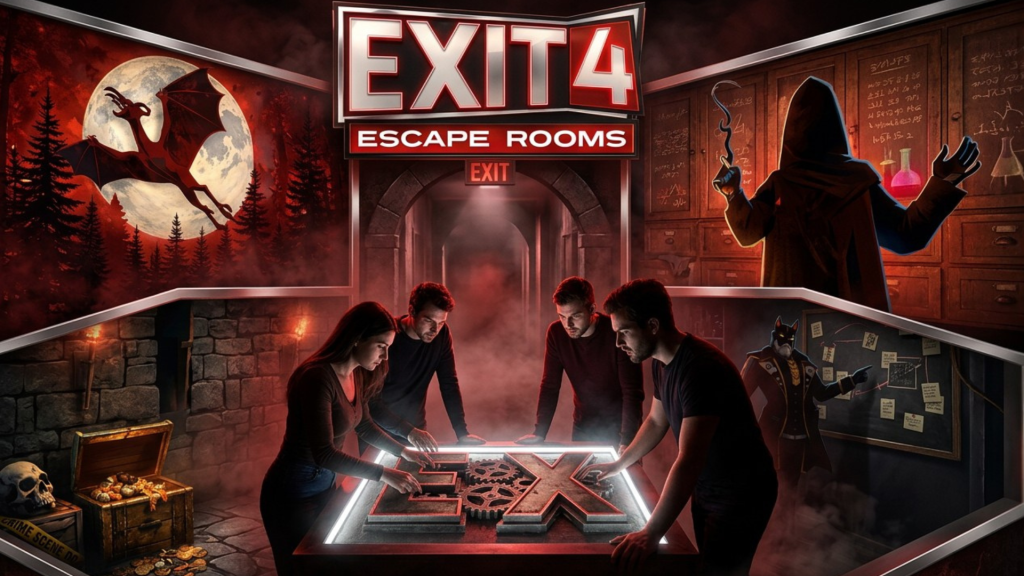
C-level leaders who treat team building events as a line item rather than a strategic tool leave measurable value on the table. The companies pulling ahead in retention, cross-functional speed, and revenue per employee are the ones designing intentional experiences that expose real collaboration gaps and build lasting trust. This guide walks you through how to choose, plan, and measure team building activities in the Chandler, AZ area, with a focus on formats that deliver results executives can track.
Key Takeaways
- Well-designed team building events improve company culture, employee engagement, and bottom-line results when tied to clear business goals. 44% of employees with low experience scores consider leaving their job, making intentional team investment a retention lever, not a perk.
- Exit 4 Escape Rooms Chandler is a high-impact option for C-level leaders who want private, story-driven escape room experiences that reveal real collaboration and leadership styles across their entire team.
- Both indoor and outdoor team building activities can be tailored for hybrid teams and various departments. Formats range from escape rooms and human bingo icebreakers to the marshmallow challenge and city scavenger hunts.
- The article covers how to choose the right team event format, plan logistics in Chandler, AZ, and measure ROI over the next 30 to 90 days.
- A dedicated FAQ at the end answers practical questions about group size, timing, accessibility, and how often to run team building events.
Why Strategic Team Building Events Matter for Modern Companies
High-growth companies scaling across tech, finance, healthcare, and manufacturing face a common bottleneck: teams that grow faster than trust can keep up. When headcount doubles in 18 months, the informal relationships that once held a small team together dissolve. Team retreats align groups around shared goals and enhance role clarity, but only when those retreats are designed around real collaboration challenges rather than generic social outings. Effective team building fosters stronger teamwork and trust because it forces people to operate outside their default patterns.
The research backs this up. In a study of 105 participants who completed escape room experiences followed by structured discussion, researchers measured statistically significant improvement in verbal communication, active listening, advocacy, and conflict negotiation competencies. A separate study found that 94% of participants felt more confident their team could handle future challenges after a single well-facilitated team event. These are not soft perceptions; they connect directly to how fast a product team ships, how well a sales floor collaborates on enterprise deals, and whether new hires stay past their first year.
Shared challenges outside day-to-day work reveal communication gaps and leadership strengths that regular meetings often miss. Consider a leadership offsite where an eight-person executive team spent a half-day on interactive challenges, including a timed escape room. Two VPs who rarely disagreed in boardroom settings clashed under time pressure over how to delegate puzzle tasks. The debrief surfaced a decision-making bottleneck that had been slowing cross-functional approvals for months. The team changed how they ran weekly check-ins, assigning a rotating decision owner per agenda topic. Within 60 days, their average approval cycle dropped from nine days to four.

How Team Building Events Support Company Culture and Employee Engagement
Company culture is not what hangs on a poster in the break room. It is the set of behaviors people repeat when no one is watching. Regular team building programs hard-wire specific behaviors, like giving candid feedback, asking clarifying questions, and collaborating across silos, into how a team actually operates. Team-building activities improve communication skills among employees because they create practice reps for those behaviors in a context where stakes are low but engagement is high. Team-building exercises reduce stress and boost self-esteem, which compounds over time into a culture where people take initiative rather than wait for permission.
The connection to KPIs executives track is direct. Higher morale leads to increased productivity in the workplace. Teams that practice collaboration outside their normal workflow show faster time-to-innovation, higher client satisfaction scores, and lower regrettable attrition. One Chandler-based professional services firm began running quarterly team building activities, alternating between escape rooms and structured creative workshops. After three quarters, their internal engagement survey scores on “trust in cross-functional partners” rose 18 points, and their voluntary turnover dropped from 22% to 14%. The shift was not from one event; it came from building team culture through repeated, intentional experiences tied to evolving strategic priorities.
Intentional debriefs after events translate lessons into everyday habits. A 20-minute reflection session where team members name one behavior they want to carry forward, such as better communication in standups or pausing to confirm understanding before responding, creates accountability. Culture built through shared experience is more durable than culture built only through slide decks and company values statements.
Indoor vs Outdoor Team Building Activities in Chandler, AZ
Chandler sits in the Sonoran Desert. From October through April, daytime highs hover between 65°F and 85°F, making outdoor activities comfortable and appealing. From May through September, afternoon temperatures routinely exceed 100°F, peaking around 105°F in July. This climate split shapes how leaders should plan their next team building event.
Indoor options like escape rooms, a cooking class, or in-office challenges work year-round. They offer climate control, confidentiality for sensitive debriefs, and environments designed for complex problem solving and analytical collaboration. When the goal is strengthen communication or test decision-making under pressure, an indoor setting removes distractions and keeps the focus tight.
Outdoor team building activities shine during the cooler months. A January scavenger hunt through Downtown Chandler, with teams competing across local landmarks, combines physical movement with team bonding in comfortable 68°F weather. Schedule that same event in July, and you are managing heat exhaustion instead of team morale. The practical rule: reserve outdoor activities for October through April mornings or twilight sessions, and default to indoor formats during summer, while saving more celebration-oriented formats like a bachelorette party in Chandler escape rooms for climate-controlled indoor venues year-round.
Indoor Team Building: Why Escape Rooms Work Exceptionally Well
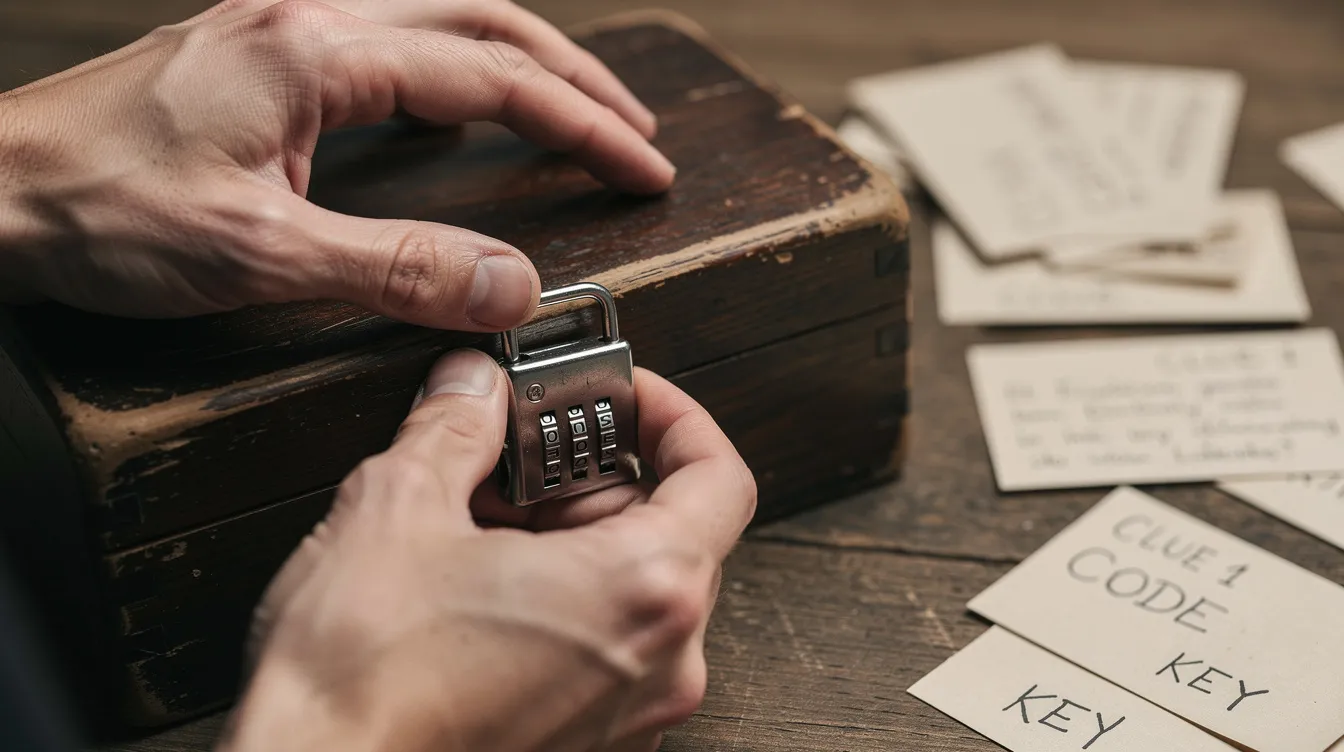
Escape rooms simulate real business pressure with a precision that few other formats match. Teams must solve puzzles within a set time to escape, which mirrors the conditions of a product launch, a client crisis, or a quarterly close: tight deadlines, incomplete information, multiple competing tasks, and the need for rapid delegation. Escape room challenges improve collaboration and communication under pressure because there is no way to brute-force the solution alone. Every member holds a piece of the answer.
The benefits for leadership and project teams are specific. Escape room challenges reveal team dynamics in high-pressure situations, exposing who naturally organizes information, who communicates updates to the group, and who goes quiet under stress. Participants often emerge as natural leaders during escape room challenges, sometimes surprising colleagues who assumed the loudest voice in meetings was the strongest decision-maker. A study in nursing education found that leadership emerged organically during escape rooms, with different people leading at different moments depending on the puzzle type.
At Exit 4 Escape Rooms Chandler, rooms are booked privately for your group. No strangers join your session. Doors are not locked, and room designs avoid claustrophobia, two factors that matter for executive-level comfort and accessibility. Indoor escape room events also pair naturally with offsite strategy sessions, lunches, or evening executive roundtables. After the room, a structured debrief links in-game dynamics to real projects: Who took ownership of which tasks? Where did information bottleneck? What would the team do differently on their next cross-functional sprint?
Outdoor Team Building Activities Around Chandler
Several outdoor formats work well in the East Valley during cooler months. A city scavenger hunt through Downtown Chandler sends small groups navigating between local landmarks, solving location-based clues, and coordinating via shared maps. Large-scale scavenger hunts encourage collaboration among larger teams, making them ideal for multi-department meetups or all-hands gatherings. Amazing Race-style challenges, where different teams rotate through stations involving physical tasks, trivia, and photo missions, add friendly competition and team spirit to the day.
Outdoor team building activities can also support wellness initiatives. Low-impact field games in Tumbleweed Park or Veterans Oasis Park combine physical movement with better collaboration, and community service activities foster bonds through shared altruism and enhance empathy. Volunteer projects create opportunities for employees from different departments to interact, breaking down silos that form when people only collaborate with their immediate desk neighbors.
For scheduling, plan early-morning or twilight sessions between October and April. During hotter months, keep outdoor segments under 45 minutes with shaded routes and water stations. The goal of outdoor activities for corporate events is socializing, energy, and informal networking; the analytical depth can come from the indoor segment.
In-Office Team Building Ideas for Busy Teams
Not every team building event requires an offsite. In-office sessions can be woven into a workday as 60- to 90-minute afternoon blocks, lunch-and-learn style challenges, or after-hours socials. Icebreakers help alleviate initial awkwardness among team members, which matters when new hires or cross-departmental guests join. A 15-minute warm-up before the main activity, like a quick round of two truths and a creative lie, can spark conversation and lower defenses.
Concrete in-office team building ideas include human bingo networking games, mini marshmallow challenge tournaments, active listening exercises where partners reflect back what they heard before responding, or themed problem solving sprints tied to a real business question. Skill-sharing workshops, where team members teach a 10-minute session on a hidden talent or technical skill, increase respect and improve understanding of diverse strengths. Team-based hackathons encourage creativity and cross-functional collaboration, especially when the challenge connects to an actual product or process improvement.
These sessions work well as a prelude or follow-up to a larger offsite at Exit 4 Escape Rooms Chandler, tying skills practice directly to day-to-day collaboration. The setup requirements are minimal: a conference room, basic supplies, and a facilitator who keeps the session purposeful. The key to avoiding forced fun is framing the activity around a real team question, not arbitrary entertainment.
Top Collaborative Activities: From Cooking Class to Marshmallow Challenge
A facilitated cooking class teaches planning, delegation, and timing as teams prepare a shared meal under guidance. Each subgroup handles a different dish, and the meal only works if timing and communication align. The format encourages creativity, sparks creativity in how groups divide tasks, and strengthens relationships through a tangible shared outcome.
The marshmallow challenge uses spaghetti and tape to build structures, with the goal of creating the tallest freestanding tower that supports a marshmallow on top. The exercise reveals assumptions about planning versus prototyping. Teams that build and test early outperform teams that spend most of their time designing. Tower-building challenges foster creativity and teamwork with limited materials, making them useful for any group that needs to practice iterative thinking.
These activities can be run indoors or outdoors and scaled for small leadership pods or larger cross-functional groups. They also complement milestone celebrations, where leaders might blend structured collaboration exercises with a memorable birthday party at Exit 4 Escape Rooms in Chandler to recognize top performers or team anniversaries. Pair them with two or three structured reflection questions: What approach did we default to? What would we change? How does this connect to the project we are launching next month?
Interactive Problem Solving: Escape Room, Human Bingo, and More
Creative problem solving is a core leadership competency, not a nice-to-have. Escape room experiences at Exit 4 Escape Rooms Chandler demand pattern recognition, information sharing, and rapid experimentation. Problem-solving activities reveal how teams communicate under pressure, and problem-solving challenges develop critical thinking and collaboration skills that transfer to deadline-driven project work. Playing games like escape rooms provides a low-risk environment for practicing decision-making, where mistakes cost minutes, not revenue.
Human bingo encourages team members to learn about each other. Upgraded from a simple icebreaker, a targeted version includes squares like “has managed a remote team,” “speaks a second language,” or “has worked in three departments,” revealing hidden talents and cross-team expertise. This builds teamwork by surfacing connections people did not know existed.
Layering in puzzles, logic challenges, or mini code-breaking tasks during corporate events keeps engagement high and stimulates lateral thinking. Rotate roles during these games so everyone experiences being the navigator, communicator, or analyst. Different working styles emerge, and the team leaves with a clearer picture of how to assign responsibilities on real projects.
Designing Events for Hybrid Teams
Many organizations now run hybrid teams with both remote and on-site members who can feel disconnected. Virtual team building activities bridge that gap when designed with intention. Mixed reality scavenger hunts, virtual human bingo, and online puzzle sessions let remote teams participate without feeling like an afterthought. Virtual coffee breaks help remote teams build relationships during less structured moments between activities.
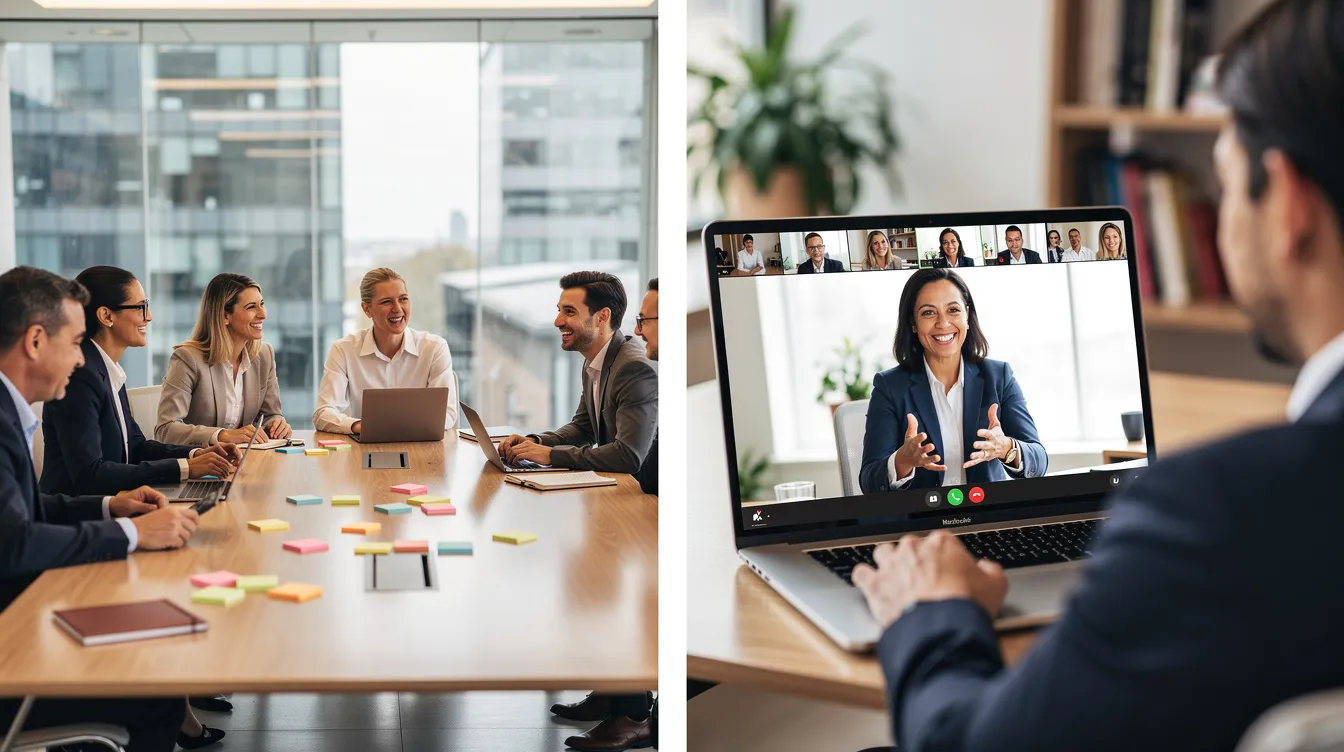
Create a level playing field by having everyone use individual devices during certain games rather than clustering remote or hybrid teams on one shared screen. For post-event debriefs, remote teammates join via video with equal speaking time. Exit 4 Escape Rooms Chandler can serve as the in-person anchor of a hybrid offsite: on-site team members tackle a themed room while remote colleagues participate in a parallel virtual problem solving session, then both groups convene for a shared reflection.
The priority is inclusivity, psychological safety, and equal voice. Distributed teams perform best when every participant, regardless of location, has a defined role and a clear channel to contribute.
Corporate Events at Exit 4 Escape Rooms Chandler
Exit 4 Escape Rooms Chandler is a locally owned experiential venue offering four themed private puzzle rooms. Standard bookings run 2 to 8 players per room, and capacity stretches to 10 per room for group and corporate events. The Lone Wolf Rises drops your team into an abandoned subway superhero lair at a challenge level of 3.5 out of 4. The Wand-Maker’s Curse places you inside a cursed wand shop. For teams that enjoy scares, the Cabin of the Jersey Devil delivers a dimly lit, tension-filled experience; this room is not suited for children or those averse to intense atmospheres. Davy Jones’ Locker rounds out the options. Doors are not locked in any room, and designs avoid claustrophobic layouts.
Booking for corporate groups is straightforward: reserve the entire room privately, with a 2-participant minimum and up to 10 per room for group events. Escape rooms can accommodate groups of up to 200 participants across multiple rooms with staggered start times, making Exit 4 scalable for large teams or company-wide events. Pricing is tiered by group size: $38 per person for standard bookings, $33 per person for 9 to 19 people, and $30 per person for 20 or more, plus tax.
Facilitators can customize pre-briefs and debriefs to align with leadership priorities like team collaboration, innovation, and cross-functional communication. C-level executives use Exit 4 as the centerpiece for half-day or full-day corporate events that pair escape rooms with nearby dining, strategic planning sessions, or awards presentations.
Choosing the Right Experience for Your Team and Objectives
Successful team building starts with clear objectives. Setting SMART goals helps achieve desired outcomes in team building activities: instead of “improve teamwork,” define “reduce cross-functional project handoff errors by 20% within 90 days.” Team-building activities should align with specific organizational challenges, not generic fun.
Match format to goal. An escape room works for team collaboration under pressure. A cooking class suits coordination and timing practice. Outdoor team building activities deliver energy and overall morale for large groups. In-office workshops target better communication and active listening. A finance team preparing for year-end close might choose an escape room to practice delegation under deadline. A product innovation team might pick a marshmallow challenge to exercise iterative prototyping, followed by a creative workshop.
Consider team size, physical abilities, appetite for healthy competition, and accessibility requirements. Create a short “mission brief” describing the perfect event outcomes and use it to evaluate vendor proposals or internal plans. Team size affects activity choices: a small team of five works well in one escape room, while a department of 40 needs multiple rooms or a blended format.
Planning Logistics: Timing, Group Size, and Budget
Most team building events last between 90 minutes and 3 hours. Every escape room at Exit 4 runs 60 minutes. Blended sessions that combine a room with a debrief and lunch extend to two or three hours. A full half-day offsite with multiple activities, meals, and a strategy session fills four to five hours.
Group sizes shape the experience. At Exit 4 Escape Rooms Chandler, standard bookings hold 2 to 8 players per room, and group events can stretch to 10. Larger teams divide into pods, with each pod tackling a different room and reconvening for a shared debrief. For city challenges or relay races, groups of 15 to 50 split into smaller squads of five to eight, keeping everyone involved.
Budget tiers range from low-cost in-office challenges (under $200 for supplies) to mid-range private escape room bookings, to premium blended experiences that include catering, transportation, or professional facilitators. Exit 4 prices by group size: $38 per person for standard bookings, $33 per person for 9 to 19 people, and $30 per person for 20 or more. Booking team-building events 3 to 6 weeks in advance is recommended, especially for popular Thursday and Friday afternoon slots. Multi-room corporate events during peak season (late spring, pre-holiday) need longer lead times.
Facilitation, Active Listening, and Psychological Safety
A strong facilitator sets expectations, keeps energy high, and ensures quieter voices are included. Professional facilitators are especially valuable during debriefs, where the temptation is for the most senior person to dominate the conversation. Structured reflection after team-building events enhances learning opportunities; without it, the experience stays entertainment rather than development.
Active listening exercises during or after events build stronger connections. One approach: after a puzzle debrief, each person reflects back what they heard a teammate say before adding their own perspective. This practice, carried into regular meetings, improves collaboration and reduces the “talking past each other” dynamic that derails cross-functional work.
Psychological safety during events means keeping feedback focused on behaviors and systems, not individuals. Exit 4 staff can support facilitation, and many leadership teams bring a coach or HR business partner to translate game insights into workplace actions. Leaders who model vulnerability by sharing what they personally learned about their own communication style set the tone for honest, productive reflection.
Measuring the ROI of Team Building Events
Start with a simple framework: define pre-event metrics, capture immediate feedback, and track medium-term changes at 30, 60, and 90 days. Post activity surveys right after the event capture reaction and initial learning. A follow-up pulse survey at 30 days checks whether new behaviors are sticking.
Tangible metrics include employee engagement survey items on trust and communication, cross-team project completion times, meeting effectiveness scores, and voluntary turnover rates. In a study of 33 healthcare teams (145 participants), perceived team effectiveness improved at one month post-escape room event but returned to baseline by one year when no follow-up activities occurred. The lesson: a single event creates a spark, but sustained improvement requires reinforcement.
Connect these metrics to business outcomes. A leadership team that practiced delegation during an escape room and carried it into daily work cut their average product review cycle from 12 days to 7. They tracked this because the debrief included specific commitments and a 60-day check-in. Use data to refine future team building plans: if post activity surveys show that employees feel more connected but still report unclear decision-making, the next event should focus on decision protocols rather than general bonding.
Common Pitfalls and How to Avoid “Forced Fun”
The most common mistake is unclear purpose. If the team does not know why they are doing an activity, engagement drops. Effective team-building activities often connect to real workplace needs rather than being mere social outings. Frame the event around a specific question: “How do we improve handoffs between engineering and QA?” rather than “Let’s have fun together.”
Ignoring accessibility is another failure point. Not everyone thrives in dim, high-intensity environments. At Exit 4, organizers can choose corporate-friendly rooms and avoid the scarier Jersey Devil option for teams with mixed comfort levels. Offering choice among two or three activity types, such as a high-energy outdoor option, an indoor escape room, or a creative workshop, gives team members psychological buy-in and boost engagement.
Align tone with company culture. A structured professional services firm may prefer problem solving sprints with clear deliverables. A creative agency may thrive in a playful, themed escape room. Skipping the post-event reflection is the final pitfall: without a debrief, teams remember the fun but not the lesson. Even 15 minutes of guided reflection transforms a company picnic into a development moment that employees feel was worth their time.
Building a Year-Round Team Building Strategy
One-off events produce short-term perceptual improvements. Building stronger teams requires a yearly rhythm that mixes quick in-office touchpoints, quarterly experiences, and an annual flagship corporate event.
A sample cadence for a Chandler-based company:
| Quarter | Format | Focus |
|---|---|---|
| Q1 | Strategy offsite with escape rooms at Exit 4 | Cross-functional alignment, creative problem solving |
| Q2 | Outdoor scavenger hunt at a local park | Team spirit, wellness, multi-department bonding |
| Q3 | Virtual session for remote or hybrid teams | Inclusion, remote team engagement |
| Q4 | Celebration event with awards and a cooking class | Recognition, boost morale, year-end reflection |
Repeating core elements, like structured debriefs and active listening practice, builds a shared language and playbook across the organization. Review outcomes each quarter, adjust the mix based on evolving business priorities and employee feedback, and treat team building as a cohesive unit of your talent strategy, not a calendar filler.
Team building is not a perk. It is a strategic lever that compounds. Start with one well-designed event, measure the results, and build from there.

FAQ: Team Building Events and Exit 4 Escape Rooms Chandler
How often should we schedule team building events for our organization?
A layered approach works best: one major event per year, such as a half-day at Exit 4 Escape Rooms Chandler, plus quarterly or monthly micro-activities like in-office challenges or short virtual sessions to maintain momentum. High-change environments, including fast-growing teams or post-merger groups, benefit from more frequent, lighter-touch events. Established teams with stable rosters can focus on deeper quarterly sessions that tackle specific collaboration goals.
Consistency matters more than extravagance. Three modest but well-designed events per year build more trust and shared language than one lavish annual party with no follow-up. The goal is to make team building a rhythm, not an exception.
Can we combine different departments or seniority levels in one event?
Mixed groups often generate fresh perspectives and break down silos. When different teams tackle a creative problem solving activity like an escape room or a scavenger hunt together, people discover unexpected overlaps in expertise and approach. Balance the mix so no one department or seniority level dominates a room; rotate group composition across events.
For strategic topics like C-level alignment or succession planning, keeping the group to senior leaders in one or two rooms at Exit 4 is more effective. You can run separate debriefs for executives and frontline teams if learning objectives differ. The key is matching the participant mix to the purpose.
What accessibility and comfort factors should we consider when planning an escape room event?
Exit 4 Escape Rooms Chandler designs experiences without locked doors and avoids claustrophobic layouts in most rooms, making them comfortable for a wide range of participants. Check the FAQ page for specific room details. Share any mobility, lighting, or scare-related concerns with staff in advance so they can recommend the best room. The Jersey Devil cabin, for example, is intentionally scarier and dimmer; other rooms are more corporate-friendly.
Offering optional roles like navigator, clue coordinator, or note-taker ensures that participants who prefer lower physical activity can still fully contribute. The goal is full inclusion, not forced participation.
How far in advance should we book a team building event at Exit 4 Escape Rooms Chandler?
For small to mid-sized groups, book 3 to 6 weeks ahead, especially if you are targeting popular times like late afternoons on Thursdays or Fridays. Larger corporate events using multiple rooms or specific time blocks should reach out earlier, particularly around peak seasons like late spring and pre-holiday months.
Last-minute bookings are sometimes possible, but early planning offers more choice of room themes and start times. For a good plan, start by defining your objectives and team size, then contact Exit 4 to match available rooms to your goals.
How can we ensure lessons from the escape room or activity actually carry over into work?
The difference between a fun outing and a development investment is the debrief. Run a structured reflection session within 30 to 60 minutes after the activity, using questions that connect game behaviors to current projects and communication habits. Ask: Who took ownership of tasks? Where did information stall? What assumption slowed us down?
Capture two or three specific agreements, such as always naming a point person per task or practicing active listening in weekly standups, and revisit them in the next few team meetings. Some organizations invite an HR partner or external coach to attend the event at Exit 4 Escape Rooms Chandler and lead a focused reflection tied to quarterly goals or leadership competencies. That structure turns 60 minutes of puzzle challenges into months of improved job satisfaction and team performance.